Discreet Appearance
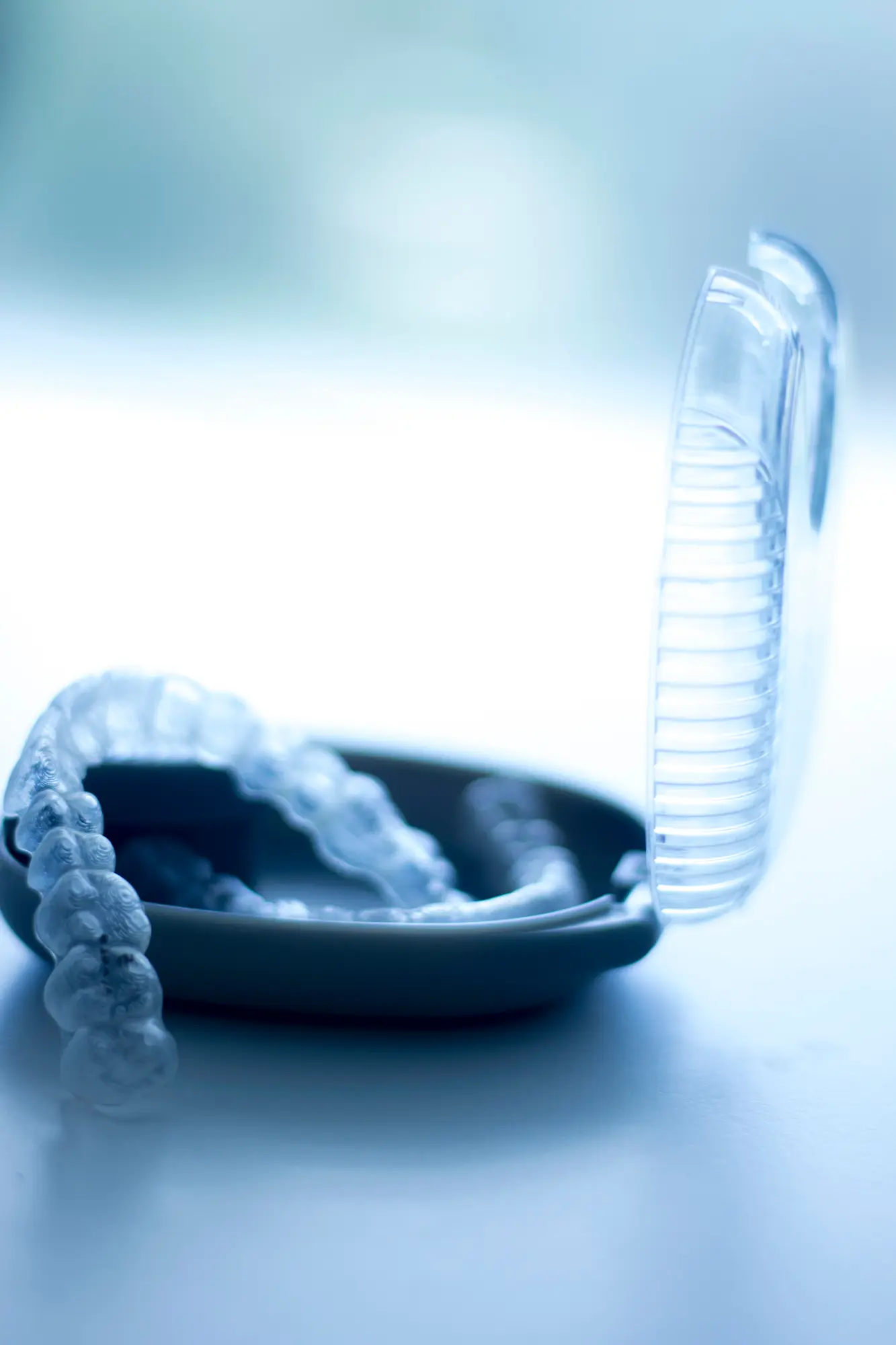
Thin, transparent trays are designed to fit closely over the teeth and are less noticeable than traditional metal appliances.
New dental practice in Taylor Opening This December
English العربية Español

A discreet approach to orthodontic care
A series of removable, custom-made trays can gradually guide teeth toward planned positions—with professional evaluation and monitoring throughout treatment.
Designed for your teeth and your bite
Each aligner applies controlled forces to selected teeth. As treatment progresses, you change to the next tray according to the schedule provided and return for monitoring so tooth movement, fit, and oral health can be evaluated.
Aligners may be an option for certain spacing, crowding, and bite concerns, but they are not appropriate for every patient or every type of movement. Your examination determines whether aligners, braces, referral, or another approach is most suitable.
Why patients consider aligners
Clear aligners are removable, but successful treatment still requires consistent wear, careful hygiene, and regular professional follow-up.
Thin, transparent trays are designed to fit closely over the teeth and are less noticeable than traditional metal appliances.
Aligners are removed for eating, drinking anything other than water, and cleaning your teeth, according to your provider’s instructions.
Digital records help plan a sequence of tooth movements and fabricate trays customized for your treatment.
Check-ins allow your provider to assess fit, progress, gum health, and whether refinements or other changes are needed.
Your clear aligner journey
Your exact treatment sequence and timeline depend on the complexity of tooth movement, your oral health, and how consistently the aligners are worn.
We assess your teeth, gums, bite, jaw relationships, health history, and appropriate imaging to determine whether aligners are a reasonable option.
Scans, photographs, and other records support a customized treatment plan. Proposed goals, limitations, alternatives, and responsibilities are reviewed.
You wear each tray as directed and move through the prescribed sequence. Attachments or elastics may be recommended for certain movements.
Regular visits confirm that trays fit and teeth are responding as planned. Additional scans or refinement trays may sometimes be needed.
After active movement, retainers help hold teeth in their new positions. Long-term wear is commonly recommended according to individualized instructions.
Daily aligner care
Aligners only move teeth while they are being worn. Follow the wear and tray-change schedule prescribed for you, and contact the office if a tray is lost, damaged, painful, or no longer fits properly.
Is clear aligner treatment right for you?
Healthy teeth and gums are important before orthodontic movement begins. Active decay, gum disease, or other dental concerns may need treatment first.
Some complex tooth movements, jaw relationships, impacted teeth, or significant bite problems may be treated more predictably with braces or specialist care. When appropriate, we will discuss referral to an orthodontist.
Common questions
Timing varies with the starting position, treatment goals, complexity, biological response, and wear consistency. An individualized estimate is provided after evaluation and planning.
Follow the exact daily wear schedule prescribed by your provider. Removing trays for longer than directed can delay movement or affect how the next aligner fits.
A temporary change or slight lisp can occur while your tongue adapts. This commonly improves with regular wear, but let us know if a concern persists.
Yes. Teeth can shift after active orthodontic treatment. Retainers and long-term wear instructions are essential for protecting the result.
A clearer path to a more aligned smile
Schedule a consultation for an in-person assessment and personalized treatment recommendations.
Request a ConsultationVisit Amana Dental
New dental practice in Taylor, opening December 9th.
Opening December 9thOffice hours